
Understanding the psychological triggers behind gambling behavior
The Thrill of Risk and Reward
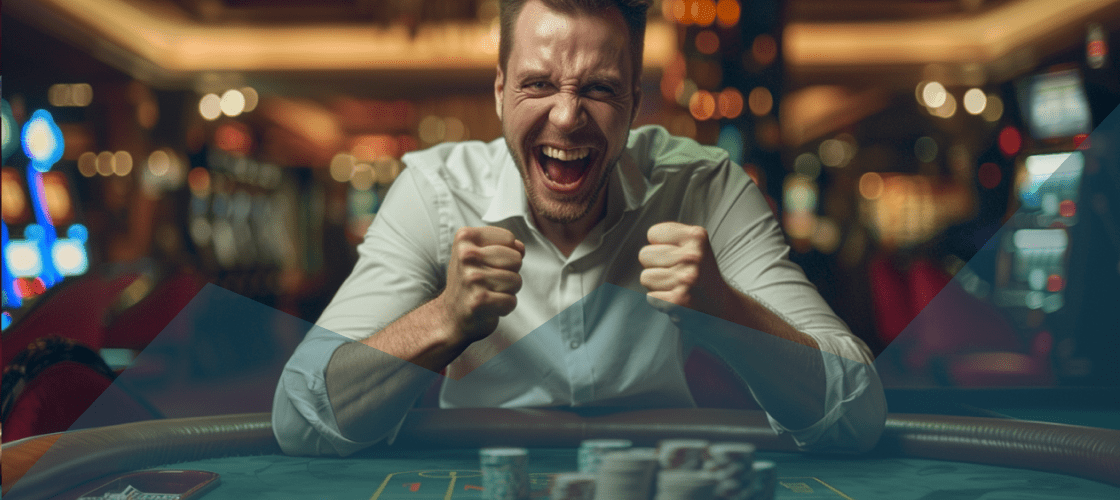
Gambling behavior is often driven by a psychological interplay between risk and reward. The thrill of potentially winning big can create a powerful sense of excitement that keeps players engaged. This anticipation can trigger the release of dopamine in the brain, a neurotransmitter associated with pleasure and reward. As players continue to experience this rush, they may find themselves increasingly drawn to gambling activities, even in the face of potential loss. If you’re looking for an exhilarating platform, you might want to check out 28marscasino-au.com, which offers a wide array of options.

This cycle of risk and reward can lead to a distorted perception of odds. Many gamblers develop a belief in luck or a “winning streak,” which can reinforce their behavior. This misconception fuels further gambling, as the idea of a big win becomes a compelling incentive to keep playing, often overshadowing the reality of long-term losses.
The Influence of Social Factors
Social interactions also play a significant role in gambling behavior. Many individuals are influenced by peers or community dynamics, where gambling is seen as a social activity. The sense of belonging and shared experience can enhance the excitement of gambling, making it a collective event rather than an isolated activity. This social dimension can create pressure to participate, especially in environments where gambling is normalized.
Moreover, the presence of social networks can magnify the feelings associated with winning and losing. Players often share their experiences, which can lead to a skewed perception of gambling outcomes. When someone shares their big win, it can entice others to join in, believing they, too, will have the same luck, further driving gambling behavior.
The Role of Cognitive Biases
Cognitive biases significantly impact how individuals approach gambling. One common bias is the “gambler’s fallacy,” the belief that past outcomes will influence future results. For example, a player may believe that if a slot machine hasn’t paid out recently, it is “due” for a win. This fallacy can lead to illogical decision-making and increased betting, as individuals chase perceived opportunities for a win.
Additionally, confirmation bias plays a role, where individuals focus on information that supports their beliefs about gambling while ignoring evidence to the contrary. This can reinforce their gambling behavior, as they seek out narratives that validate their experiences and minimize the risks involved.
The Emotional Triggers Behind Gambling
Emotional factors are at the core of gambling behavior, with many individuals using gambling as a coping mechanism for stress, anxiety, or depression. The temporary escape that gambling provides can create a cycle where individuals gamble to alleviate negative emotions, only to face guilt and shame afterward, prompting further gambling as a means of escape.
This emotional rollercoaster can create a dependency on gambling for emotional regulation. Understanding these triggers is vital for addressing problem gambling, as individuals must learn healthier coping mechanisms to replace gambling behaviors that serve as an emotional crutch.
Join 28 Mars Casino for a Safe Gaming Experience
For those seeking an engaging and secure gambling experience, 28 Mars Casino offers a diverse range of games, from real money pokies to live dealer experiences. This innovative online gaming platform is designed with player safety in mind, providing secure banking options and fast payouts to enhance the overall experience.
With an extensive selection of games and a commitment to community engagement through tournaments and a rewarding VIP program, 28 Mars Casino aims to create a thrilling yet responsible gaming environment. Join today and discover how a safe platform can elevate your gaming adventure while remaining mindful of the psychological aspects of gambling behavior.